
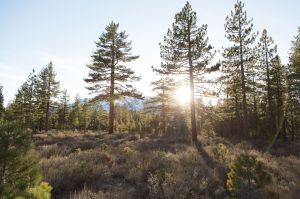
Wilderness therapy combines structured therapeutic work with immersive experiences in remote natural environments. Programs may include individual and group counseling, camping, hiking, kayaking, physical activity, and experiential learning.
A meta-analysis by Bettmann and colleagues (2016), including 36 studies and 2,399 participants, reported moderate improvements across clinical symptoms, self-esteem, interpersonal functioning, and other outcomes. These findings suggest potential benefits, but do not establish that every program—or each individual activity—is effective. Springer Nature Link
Five practices used within wilderness therapy or closely related outdoor therapeutic programs include:
- Therapeutic backpacking and hiking. Guided journeys can provide opportunities to explore coping, pacing, persistence, and responses to challenges.
- Adventure challenges and experiential problem-solving. Activities may include climbing, ropes courses, or navigation tasks followed by therapeutic discussion. Bowen and Neill’s (2013) meta-analysis of 197 adventure therapy studies found moderate average improvements in psychological and behavioral outcomes. This broader evidence includes diverse programs and does not demonstrate that a particular challenge activity produces those benefits. Bowen-TOPSYJ.doc
- Group counseling and cooperative activities. Facilitated discussions and shared tasks offer opportunities to practice communication, boundaries, conflict resolution, and seeking support. Fernee and colleagues (2017) identified supportive relationships and peer interactions as potential mechanisms of change in qualitative studies. friluftsterapi.com
- Guided nature reflection and experiences of awe. Facilitators may invite participants to observe a landscape and reflect on emotions, meaning, or connection. In related wilderness-experience research, Anderson, Monroy, and Keltner (2018) found that awe during whitewater rafting predicted improvements in well-being and stress-related symptoms one week later. This supports a possible mechanism of benefit, rather than establishing an effective wilderness psychotherapy protocol. pubmed.ncbi.nlm.nih.gov
- Family involvement and transition work. Programs may include caregiver sessions, communication exercises, and planning for returning home. Bettmann and colleagues (2025) studied 4,067 adolescents across 12 wilderness therapy programs and found that greater caregiver participation and effort predicted better mental health outcomes. Because the study was observational, it establishes an association rather than proving causation.

